CLE
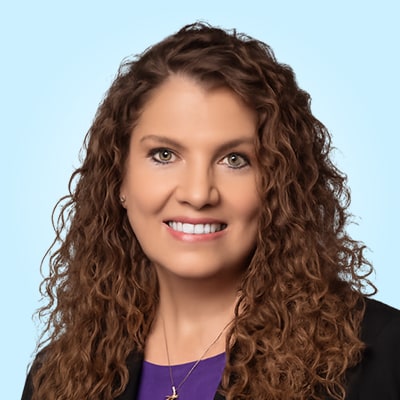
Howard Krooks
Howard Krooks Cozen O'Connor
Representing Clients With Decision-Making Limitations
Register Now
Premieres September 28, 2:00 PM ET/11:00 AM PT
00 Days
00 Hours
00 Mins
00 Secs
Register Now
Representing Clients With Decision-Making Limitations

On February 9, 2026, the ABA House of Delegates adopted a new Model Rule 1.14 essentially modernizing in many significant ways the former Model Rule, with a shift from focusing on diminished capacity (under the former rule) to decision-making limitations (under the new rule). Contemporary thought on this subject has changed from a focus on a person’s disability to the client's ability to participate in decisions with appropriate supports.

This program provides a practical, ethics-focused examination of a lawyer’s professional responsibilities when representing clients whose decision-making ability may be impaired due to age, illness, disability, or cognitive limitations. The session will analyze the governing framework under the ABA Model Rules of Professional Conduct, with particular emphasis on Model Rule 1.14 (Client with Decision-Making Limitations) and its interaction with Rule 1.1 (Competence), and Rule 1.4 (Communication), Rule 1.6 (Confidentiality of Information).

Participants will learn how to identify indicators of decision-making limitations, distinguish between legal incapacity and functional limitations, and determine when protective action may be ethically permissible under Rule 1.14(b), including consultation with family members, professionals, or the potential appointment of a guardian. The program will also address how confidentiality is preserved or permissibly limited under Rule 1.6 when taking protective action, and how lawyers can maintain, as far as reasonably possible, an ordinary client-lawyer relationship consistent with new Rule 1.14(a).

The session will include practical guidance on communication techniques, documentation practices, and risk-management strategies to preserve client autonomy while supporting the client in decision-making. Realistic hypotheticals will illustrate common challenges, including potential undue influence, intrusive family members, and decisions regarding disclosure or third-party involvement.

Agenda:
  • Overview
    • Overview of the ethical and practical challenges involved in representing clients with decision-making limitations
    • Introduction to new ABA Model Rule 1.14 and related professional responsibility obligations
    • Defining decision-making limitations and understanding the lawyer’s role in assessing client decision-making abilities and limitations
  • Ethical Duties and the Attorney-Client Relationship
    • Maintaining an “ordinary” attorney-client relationship under new ABA Model Rule 1.14(a)
    • Duties of communication and informed consent under Rule 1.4
    • Confidentiality obligations under Rule 1.6 when working with clients with decision-making limitations
    • Balancing autonomy, protection, and professional judgment
    • Identifying client objectives and conducting effective client interviews
    • Identifying appropriate supports to assist the client in decision-making
  • Recognizing and Assessing Decision-Making Limitations
    • Common cognitive, behavioral, emotional, and communication indicators of decision-making limitations
    • Distinguishing eccentricity, stress, grief, or medical conditions from decision-making limitations
    • The lawyer’s role versus the role of medical or mental health professionals
    • When referral for professional assessment may be appropriate
  • Protective Action and Ethical Decision-Making
    • Protective action under the new (and former) ABA Model Rule 1.14(b)
    • Consulting with family members, caregivers, and professionals
    • Guardianship and other interventions
    • Limits on disclosure of confidential information when taking protective action
    • Ethical risks involving undue influence and third-party involvement
  • Practical Strategies and Best Practices
    • Optimizing client communication and comprehension
    • Structuring meetings to support client autonomy and voluntariness
    • Environmental and scheduling considerations when working with impaired clients
    • Documentation and risk-management practices
    • Practical ethical tips for maintaining dignity, respect, and effective representation
  • Conclusion and Key Takeaways
    • Presumption of decision-making ability and the importance of individualized assessment
    • Key ethical considerations and practice recommendations
    • Resources for further guidance, including ABA materials
  • Questions & Answers (As Time Permits)
Read More
Duration of this webinar: 60 minutes
When: Premieres in 54 days | September 28, 2026 11:00 AM PT
Register Now
Speaker
Howard Krooks
Howard Krooks Chair, Elder Law
Cozen O'Connor

With over 30 years of legal experience, Howard's practice is comprehensive, covering estate planning, wills and trusts, elder law, special needs planning, planning for disability, asset protection planning, Medicaid planning, trust and estate administration (probate), fiduciary litigation, guardianship, and health care/financial planning with advance directives. Howard's commitment to excellence and deep understanding of complex legal issues are the cornerstones of his practice, guiding clients through critical life decisions and securing their futures with unwavering confidence. Read More ›

Continuing Legal Education (CLE) Credits

*CLE credit is only available to Justia Connect Pros. Not a Pro? Upgrade today>>

Alabama CLE

Status: Approved

Format: Live (Virtual)

Credits: 1.00 Ethics

Alaska CLE

Status: Approved

Format: Live (Virtual), On-Demand

Credits: 1.00 Ethics

California CLE

Status: Approved

Format: Live (Virtual), On-Demand

Credits: 1.00 Legal Ethics

Hawaii CLE

Status: Approved

Format: Live (Virtual), On-Demand

Credits: 1.00 Ethics

Illinois CLE

Status: Approved

Format: Live (Virtual), On-Demand

Credits: 1.00 Professional Responsibility - Ethics / Civility / Professionalism / Sexual Harassment Prevention

Louisiana CLE

Status: Approved

Format: Live (Virtual)

Credits: 1.00 Legal Ethics

Maine CLE

Status: Approved

Format: Live (Virtual)

Credits: 1.00 Ethics and Professionalism

Missouri CLE

Status: Approved

Format: Live (Virtual)

Credits: 1.20 Ethics

Nebraska CLE

Status: Approved

Format: Live (Virtual)

Credits: 1.00 Professional Responsibility

Nevada CLE

Status: Approved

Format: Live (Virtual)

Credits: 1.00 Ethics and Professional Conduct

New Jersey CLE

Status: Approved

Format: Live (Virtual), On-Demand

Credits: 1.20 Ethics/Professionalism

North Carolina CLE

Status: Approved

Format: Live (Virtual)

Credits: 1.00 Ethics

Ohio CLE

Status: Approved

Format: Live (Virtual)

Credits: 1.00 Attorney Professional Conduct

Pennsylvania CLE

Status: Approved

Format: Live (Virtual), On-Demand

Credits: 1.00 Ethics, Professionalism, or Substance Abuse

Rhode Island CLE

Status: Approved

Format: Live (Virtual)

Credits: 1.00 Legal Ethics

South Carolina CLE

Status: Approved

Format: Live (Virtual), On-Demand

Credits: 1.00 Legal Ethics/Professional Responsibility

Difficulty: All Levels

Texas CLE

Status: Approved

Format: Live (Virtual)

Credits: 1.00 Legal Ethics/Professional Responsibility

Utah CLE

Status: Approved

Format: Live (Virtual), On-Demand

Credits: 1.00 Ethics

Vermont CLE

Status: Approved

Format: Live (Virtual), On-Demand

Credits: 1.00 Ethics

Virginia CLE

Status: Approved

Format: Live (Virtual)

Credits: 1.00 Ethics

West Virginia CLE

Status: Approved

Format: Live (Virtual)

Credits: 1.20 Legal Ethics, etc.


This presentation is approved for one hour of Ethics CLE credit in Alabama, one hour of Ethics CLE credit in Alaska, one hour of Legal Ethics CLE credit in California, one hour of Ethics CLE credit in Hawaii, one hour of Professional Responsibility - Ethics / Civility / Professionalism / Sexual Harassment Prevention CLE credit in Illinois, one hour of Legal Ethics CLE credit in Louisiana, one hour of Ethics and Professionalism CLE credit in Maine, one hour of Ethics CLE credit in Missouri, one hour of Professional Responsibility CLE credit in Nebraska, one hour of Ethics and Professional Conduct CLE credit in Nevada, one hour of Ethics CLE credit in North Carolina, one hour of Attorney Professional Conduct CLE credit in Ohio, one hour of Ethics, Professionalism, or Substance Abuse CLE credit in Pennsylvania, one hour of Legal Ethics CLE credit in Rhode Island, one hour of Legal Ethics/Professional Responsibility CLE credit in South Carolina (all levels), one hour of Ethics CLE credit in Utah, one hour of Ethics CLE credit in Vermont, one hour of Ethics CLE credit in Virginia, and one hour of Legal Ethics, etc. CLE credit in West Virginia. This program has been approved by the Board on Continuing Legal Education of the Supreme Court of New Jersey for 1.20 hours of total CLE credit. Of these, 1.20 qualify as total hours of credit for Ethics/Professionalism. This course has been approved for Minimum Continuing Legal Education credit by the State Bar of Texas Committee on MCLE in the amount of 1.00 credit hours, of which 1.00 credit hours will apply to Legal Ethics/Professional Responsibility credit.

Justia only reports attendance in jurisdictions in which a particular Justia CLE Webinar is officially accredited. Lawyers may need to self-submit their certificates for CLE credit in jurisdictions not listed above.

Note that CLE credit, including partial credit, cannot be earned outside of the relevant accreditation period. To earn credit for a course, a lawyer must watch the entire course within the relevant accreditation period. Lawyers who have viewed a presentation multiple times may not be able to claim credit in their jurisdiction more than once. Justia reserves the right, at its discretion, to grant an attendee partial or no credit, in accordance with viewing duration and other methods of verifying course completion.

At this time, Justia only offers CLE courses officially accredited in certain states. Lawyers may generate a generic attendance certificate to self-submit credit in their own jurisdiction, but Justia does not guarantee that lawyers will receive their desired CLE credit through the self-submission or reciprocity process.

Looking for CLE credit? Visit CLE Dashboard CLE Accreditation
Watch Related Videos
CLE
Micah Buchdahl
Micah Buchdahl HTMLawyers, Inc.
Marketing, Advertising, and Solicitation Compliance for Law Firms
Watch Now
CLE
Jennifer Sweeton
Jennifer Sweeton Sweeton Injury Law, LLC
PTSD 101 Recognizing PTSD & Related Disorders in Legal Clients
Watch Now
CLE
Nance Schick
Nance Schick Third Ear Conflict Resolution
Leading Through the "Sandwich" Crisis A Conflict Triage for 2026
Watch Now
CLE
Amber Bevacqua-Lynott
Amber Bevacqua-Lynott Buchalter
Troy J. Wood
Troy J. Wood Reuter Corbett, LLP
Say What? Ethical Obligations and Avoiding Missteps in Client Communication
Watch Now